What Is Bentonite Clay?
Also known as Montmorillonite clay, it’s an extremely healing natural substance that consists of volcanic ash. The largest known source of bentonite clay is located in Fort Benton, Wyoming, where there are numerous volcanoes.
Bentonite clay has been used and consumed since ancient times by simply mixing the clay with water. When mixed with a small amount of water, it forms a paste that can be used externally to promote detox. Or, it can be mixed with a larger amount of water to create a detox drink that can easily be consumed daily or for a set period of time to help internally detoxify the body.
Benefits Of A Bentonite Clay Detox
Bentonite clay is very sponge-like, so it’s not surprising that research has shown its impressive ability to act as a detoxifying agent that holds properties that make it highly beneficial for supporting overall wellness.1
The use of bentonite clay specifically leads to the absorption of negative charge toxins. By removing these toxins from the body, bentonite clay can really help to boost overall health in numerous ways.
In animal subjects, research has shown that bentonite clay can bind to a particular category of toxins called aflatoxins, which are produced by molds and are commonly found in the standard human diet in a wide variety of foods.2 Why is this significant? Chronic low-level exposure to aflatoxins is linked to an increased risk for malnutrition and impaired immune function.3
While detoxing with bentonite clay, you can also boost the health of your immune system since it can help to support the body’s natural immune defenses and maintain a healthy internal microbial balance.4
Clays like bentonite help to protect and boost digestive health by absorbing toxins as well as reinforcing the lining of the gut.5 These are two things that can go a long way to prevent and improve everyday digestive permeability. But even if you’re not struggling with that issue, detoxing with bentonite clay can still benefit your digestive system.
Overall, bentonite clay is a natural method of detoxification that can benefit many key aspects of our overall health, and incorporating it into your daily routine is really quite easy.
How To Do A Bentonite Clay Detox
First, make sure to purchase bentonite clay from a reputable source. The clay should be a gray or cream color. If it is bright white, then this may indicate that it has gone bad.
The clay should also be odorless and not have much of a taste at all.
To use the clay externally for detox, you can also try any of the following:
- Gargle the clay and some water in your mouth for 30 seconds to 1 minute, then spit out the clay and rinse your mouth with clean water.
- Add a ¼ of a cup of the clay to your bath, allow it to dissolve into the water, and soak for as long as you’d like, then rinse your skin with clean water.
- Create a bentonite clay face mask by smearing the clay mixed with water or apple cider vinegar directly onto your skin, especially anywhere where you have blemishes or irritation. Allow the face mask to dry (about 20 minutes) and then rinse it off with warm water. This is a great detoxifying mask to use once or twice per week.
To take advantage of its potential internal detox benefits, consume bentonite clay by mouth by mixing 1 teaspoon of clay with 1 cup of water. Ideally, combine the two ingredients in a jar with a lid so it’s easy to shake the mixture well and ensure that the clay fully dissolves. Many people like to drink this first thing in the morning on an empty stomach.
Most manufacturers of the clay recommend that this can be done daily as many days of the week as you would like, for ongoing benefits. For general purposes, you can take bentonite clay daily for two weeks, in divided doses, morning and night: 1/2 teaspoon mixed with water in the morning and then the same dosage at night. You can also drink this mixture along with a broader detox regimen for a set amount of time.
Considerations
Bentonite clay should never be ingested in large amounts because of the way it expands in the body. Consuming too much could potentially result in disruption of the digestion/absorption of key nutrients.
There has been at least one report of a pediatric patient developing severe hypokalemia (low potassium) after being given large amounts of bentonite clay both orally and rectally.6 When using bentonite clay internally, always do so in very small quantities and use bentonite clay sold by trusted merchants.
References:
- Moosavi M. Bentonite Clay as a Natural Remedy: A Brief Review. Iran J Public Health. 2017 Sep;46(9):1176-1183. PMID: 29026782; PMCID: PMC5632318.
- Fowler J, Li W, Bailey C. Effects of a Calcium Bentonite Clay in Diets Containing Aflatoxin when Measuring Liver Residues of Aflatoxin B₁ in Starter Broiler Chicks. Toxins (Basel). 2015 Aug 26;7(9):3455-64. doi: 10.3390/toxins7093455. PMID: 26343723; PMCID: PMC4591653.
- Barrett JR. Aflatoxin: New Information from the Kenyan Outbreak. Environ Health Perspect. 2005 Dec;113(12):A837–8. PMCID: PMC1314947.
- Tong G, Yulong M, Peng G, Zirong X. Effects of the Cu(II)-exchanged montmorillonite on Escherichia coli K88 and Salmonella choleraesuis. Vet Microbiol. 2005 Jan 31;105(2):113-22. doi: 10.1016/j.vetmic.2004.11.003. Epub 2004 Dec 19. PMID: 15627522.
- M.T. Droy-Lefaix, F. Tateo. Chapter 11.6 Clays and Clay Minerals. Developments in clay science. Published online January 1, 2006:743-752. doi:https://doi.org/10.1016/s1572-4352(05)01025-1
- Bennett A, Stryjewski G. Severe hypokalemia caused by oral and rectal administration of bentonite in a pediatric patient. Pediatr Emerg Care. 2006 Jul;22(7):500-2. doi: 10.1097/01.pec.0000227873.05119.e6. PMID: 16871112.
DISCLAIMER:
These statements have not been approved by the Food and Drug Administration. These products are not intended to diagnose, treat, cure or prevent disease.

















































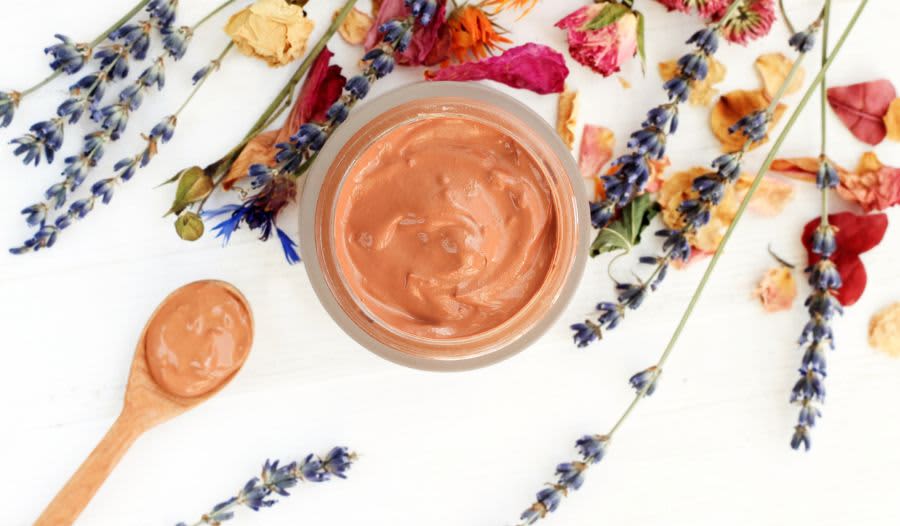
 Table of Contents