Do you often wake up feeling puffy, sluggish, or dealing with brain fog? Your lymphatic system might need a boost.
The lymphatic system plays a vital role in maintaining overall health. It helps regulate fluid balance, supports immune function, and assists the body in clearing cellular waste. Despite its importance, many people are unfamiliar with how this system works or how daily habits can influence it.
Unlike your heart, which pumps blood continuously, the lymphatic system has no central pump. It relies entirely on your body's movement, breathing, and hydration to flush out cellular waste and support your immune system. Here is how to improve lymphatic drainage naturally.
What Is The Lymphatic System?
The lymphatic system is a network of vessels, tissues, and organs that helps remove waste products, excess fluid, and other unwanted materials from the body. It is also an essential component of the immune system.
Key structures in the lymphatic system include:
- Lymph vessels, which transport lymph fluid throughout the body
- Lymph nodes, which filter lymph and help identify foreign particles
- The spleen, which helps regulate immune cells
- The thymus, which supports immune cell development
- Tonsils and other lymphatic tissues, which help defend the body against pathogens
Lymph fluid contains immune cells, proteins, and metabolic waste. It circulates slowly through the body before eventually draining into the bloodstream.
Recognizing the importance of muscle movement, breathing, and hydration in lymph circulation clarifies why the next sections focus on lifestyle habits that can make a meaningful impact.
6 Signs Of A Sluggish Lymphatic System
While the lymphatic system does not technically become “clogged,” reduced lymph circulation may contribute to symptoms suggesting slower lymph flow.
From a physiologic standpoint, reduced lymph movement can lead to temporary fluid accumulation in tissues and slower clearance of cellular byproducts.
Possible signs associated with slower lymph circulation may include:
- Water retention or puffiness, particularly in the face or hands
- Brain fog or difficulty concentrating
- Persistent fatigue
- Swollen lymph nodes or glands
- Cellulite
- Frequent sinus congestion or seasonal immune challenges
These symptoms can have many causes, but supporting lymphatic circulation through lifestyle measures may help maintain normal lymphatic flow and fluid balance.
How To Stimulate Lymphatic Flow Naturally
Mechanical Movement + Lymph Circulation
Movement is one of the most effective ways to support lymphatic drainage.
Because lymph vessels rely on muscle contractions and body movement to circulate fluid, regular physical activity helps stimulate lymph flow throughout the body.
Rebounding, or gentle bouncing on a mini trampoline, is often used to encourage lymphatic circulation. Many wellness experts highlight the benefits of rebounding for supporting lymph flow and circulation. Rhythmic changes in gravity may stimulate lymph flow through lymphatic vessels.
Research suggests that moderate exercise enhances lymph circulation and immune cell movement, supporting overall immune function.
Other forms of movement that may support lymph flow include walking, yoga, stretching, swimming, and light cardiovascular exercise. Even short periods of movement throughout the day may help support lymph circulation.
Manual Stimulation: Dry Brushing + Massage
Certain forms of physical stimulation may also help encourage lymphatic drainage.
Dry brushing involves gently brushing the skin with a natural-bristle brush in upward strokes toward the heart. This technique is thought to stimulate superficial lymph vessels located just beneath the skin. Dry brushing may also help encourage gentle lymph movement, support circulation in the skin, and promote exfoliation of dead skin cells. When practicing dry brushing, strokes typically move toward major lymph node areas such as the neck, armpits, and groin.
Manual lymphatic drainage is a specialized massage technique designed to encourage the flow of lymph. It involves gentle, rhythmic pressure applied along lymphatic pathways. Studies suggest manual lymphatic drainage may support lymph circulation and help manage fluid retention when used as part of wellness practices.
Diet + Hydration
Nutrition plays an important role in maintaining healthy lymphatic function. The lymphatic system relies heavily on proper hydration and balanced nutrition to maintain fluid movement and immune activity.
Lymph fluid is primarily composed of water. Inadequate hydration may contribute to thicker lymph fluid, which could slow circulation.
Drinking adequate water throughout the day may help support normal lymph fluid movement.
Certain foods may support lymphatic health by providing antioxidants, fiber, and plant compounds that help maintain normal inflammatory responses and circulation.
Foods commonly associated with lymphatic support include:
- Leafy greens such as spinach and kale
- Citrus fruits
- Berries rich in polyphenols
- Garlic and onions
- Ginger and turmeric
- Fiber-rich vegetables
These foods contain nutrients and plant compounds that support immune health and healthy tissue function.
Herbs For Lymphatic Flow
Some herbs have traditionally been used to support lymphatic circulation and detoxification pathways. Herbs often associated with lymphatic support include echinacea, cleavers, red root, turmeric, and burdock root.
These botanicals contain plant compounds that may support immune function, antioxidant defenses, and normal inflammatory responses. Herbal supplements designed to support lymphatic health often combine several of these ingredients in formulas intended to complement healthy lifestyle practices.
Lifestyle Habits That Support Lymphatic Health
Beyond movement, manual stimulation, and diet, several daily habits may support normal lymphatic circulation. These include deep breathing exercises, adequate sleep, stress management, weight maintenance, and regular physical activity.
Deep breathing may be particularly helpful because the diaphragm acts as a mechanical pump, facilitating lymph flow through the thoracic duct, the body’s largest lymphatic vessel.
Consistency Is Key
Supporting lymphatic health is not about short-term detox programs or extreme cleanses. From a physiologic perspective, lymph circulation improves gradually through consistent lifestyle habits that promote fluid movement, circulation, and immune activity. Regular movement, proper hydration, nutrient-rich foods, and supportive herbal supplements may all help maintain healthy lymphatic flow.
Because the lymphatic system lacks a central pump like the heart, it relies heavily on everyday activities to keep lymph fluid circulating effectively. Small daily practices—such as walking, staying hydrated, and eating nutrient-rich foods—can help maintain the natural flow of this important system.
These daily habits are often referred to collectively as supporting a lymphatic system detox, though the body’s natural detoxification systems work continuously through organs such as the liver, kidneys, and lymphatic network.
References:
- Breslin, J. W. (2014). Mechanical forces and lymphatic transport. Microvascular research, 96, 46-54.
- Calder, P. C., Carr, A. C., Gombart, A. F., & Eggersdorfer, M. (2020). Optimal nutritional status for a well-functioning immune system is an important factor to protect against viral infections. Nutrients, 12(4), 1181.
- Gashev, A. A. (2002). Physiologic aspects of lymphatic contractile function: current perspectives. Annals of the New York Academy of Sciences, 979(1), 178-187.
- Keith, L., & Erkstam, R. (2023). Optimizing Lymphedema Outcomes through Lifestyle. OBM Integrative and Complementary Medicine, 8(1), 1-13.
- Louveau, A., Smirnov, I., Keyes, T. J., Eccles, J. D., Rouhani, S. J., Peske, J. D., ... & Kipnis, J. (2015). Structural and functional features of central nervous system lymphatic vessels. Nature, 523(7560), 337-341.
- Oliver, G., Kipnis, J., Randolph, G. J., & Harvey, N. L. (2020). The lymphatic vasculature in the 21st century: novel functional roles in homeostasis and disease. Cell, 182(2), 270-296.
- Solari, E., Marcozzi, C., Negrini, D., & Moriondo, A. (2020). Lymphatic vessels and their surroundings: how local physical factors affect lymph flow. Biology, 9(12), 463.
DISCLAIMER:
These statements have not been approved by the Food and Drug Administration. These products are not intended to diagnose, treat, cure or prevent disease.


























































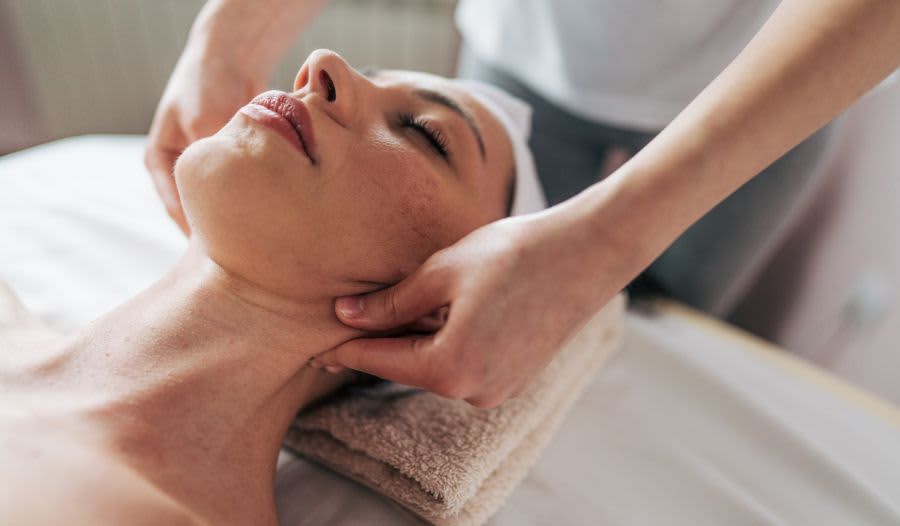
 Table of Contents