Key Takeaways
- Progressive Overload is Key: You must consistently challenge your muscles by gradually increasing weight, reps, or sets over time.
- Eat Enough Protein: Aim for adequate protein intake (e.g., 0.7-1 gram per pound of body weight) distributed throughout the day to support muscle repair and growth.
- Don't Skimp on Calories: You may need to be in a slight caloric surplus (eating more calories than you burn) to provide the energy needed for muscle building.
- Prioritize Sleep: Muscle repair and growth hormone release peak during deep sleep; aim for 7-9 hours per night.
- Consider Key Supplements: Creatine and protein powder are the most science-backed supplements for supporting muscle building
Benefits Of Building Muscle
There are many benefits to gaining muscle, such as increasing strength, stimulating a faster metabolism, or simply having a more sculpted physique.
The challenge? Effective muscle building hinges on strategic training to stimulate growth, targeted nutrition to fuel repair and development, and adequate recovery to allow your muscles to rebuild stronger. Skipping any one of these may significantly slow your progress.
Remember, no one set of recommendations works for every person or every context. When it comes to nutrition and building muscle, individuals’ needs are just that—individual. When thinking about caloric surpluses and how they relate to muscle gain, we need to consider the broader picture of where we currently are with our body weight and body fat, and what our personal goals are.
To help you navigate this journey effectively, this guide provides essential, science-backed tips covering all these crucial areas. Here are the seven pillars of effectively building muscle.
1. Master Progressive Overload
The most fundamental principle of gaining muscle size and strength is progressive overload. This means that to stimulate muscle growth (hypertrophy), you must consistently challenge your muscles by gradually increasing the demands placed upon them over time. Muscles are highly adaptable; they grow stronger and larger in response to stress. If the stress doesn't increase, the muscles have no reason to continue adapting.
Think of it like this: if you lift the same weight for the same number of repetitions every workout, your muscles will eventually adapt to that specific load and stop growing. To keep making progress, you need to systematically make your workouts slightly harder.
Here are common ways to apply progressive overload:
- Increase Resistance/Weight: Gradually lift heavier weights for the same number of repetitions. This is the most straightforward method.
- Increase Repetitions: Perform more repetitions with the same weight.
- Increase Sets: Add more sets to your exercises for a given muscle group.
- Increase Training Frequency: Train a muscle group more often per week (while ensuring adequate recovery).
- Decrease Rest Time: Reduce the rest periods between sets, forcing your muscles to work harder under fatigue.
Implementing progressive overload consistently is crucial for long-term muscle gain.
2. Fuel Your Growth With Protein
Protein is absolutely crucial for building muscle because it provides the building blocks (amino acids) your body needs to repair and grow muscle tissue after strenuous exercise. When you lift weights, you create tiny tears in your muscle fibers. Protein consumption triggers a process called Muscle Protein Synthesis (MPS), where your body uses amino acids to repair these tears and build the muscle back bigger and stronger. To gain muscle, your rate of MPS must consistently exceed the rate of muscle protein breakdown (MPB), and adequate protein intake is essential for this.
How Much Protein Do You Need?
For individuals aiming to build muscle, protein needs are higher than for the average sedentary person. Most research supports an intake range of:
- 0.7 to 1 gram of protein per pound of body weight per day
- (Or 1.6 to 2.2 grams of protein per kilogram of body weight per day)
Distributing this protein intake relatively evenly across 3-5 meals throughout the day can also help maximize MPS.
High-Quality Protein Sources
Focus on incorporating a variety of high-quality protein sources into your diet:
- Lean Meats: Beef, pork loin, bison
- Poultry: Chicken breast, turkey breast
- Fish: Salmon, tuna, cod, tilapia
- Eggs: Whole eggs and egg whites
- Dairy: Greek yogurt, cottage cheese, milk, cheese
- Legumes: Lentils, beans, chickpeas, peas
- Soy Products: Tofu, tempeh, edamame
- Protein Powders: Whey, casein, soy, or plant-based blends (convenient for supplementing intake)
3. Eat Enough Calories
Building muscle is an anabolic process, meaning it requires energy to construct new tissue. To provide this energy, you generally need to consume slightly more calories than your body burns each day. This is known as being in a caloric surplus. Without this extra energy, your body may prioritize other functions over building new muscle tissue, even if you're training hard and eating enough protein.
Focus on Quality, Not Just Quantity
While a surplus is necessary, this doesn't mean you should just "eat everything." The quality of your calories matters significantly. Fueling your body with nutrient-dense whole foods – lean proteins, complex carbohydrates (like oats, brown rice, quinoa), fruits, vegetables, and healthy fats (like avocados, nuts, olive oil) – provides the vitamins, minerals, and sustained energy needed to power intense workouts and support optimal recovery. Relying heavily on highly processed foods or sugary snacks can lead to excessive fat gain and inflammation, hindering your muscle-building progress.
Consider Tracking Initially
It can be difficult to know if you're consistently hitting a slight caloric surplus (typically recommended around 250-500 calories above your maintenance level). Tracking your food intake using an app or journal for a short period can be a valuable tool. This helps ensure you're providing enough energy for muscle growth without significantly overeating, which could lead to unwanted fat gain. Once you have a better understanding of your needs and portion sizes, you may not need to track as meticulously.
Caloric Needs Vary by Experience
- Beginners and Individuals with Higher Body Fat: If you're new to resistance training or have a higher body fat percentage, you often don't need a caloric surplus to gain muscle initially. The combination of a new training stimulus and optimizing your protein intake (even if total calories stay the same) is usually enough to trigger muscle growth. This process is often called "body recomposition," where you might build muscle and lose fat simultaneously. Simply shifting your diet to include adequate protein can create a positive environment for muscle building without extra calories.
- Intermediate and Advanced Lifters (1+ Years Experience): Once you've been training consistently for a year or more and have built a solid muscle base (often with lower body fat), a slight caloric surplus generally becomes necessary to optimize further muscle growth. As you gain more lean mass, your body requires more energy resources to build additional muscle tissue effectively. While you can still get stronger without a surplus, maximizing
4. Prioritize Sleep For Recovery
Sleep is arguably one of the most critical, yet often overlooked, components of muscle recovery and growth. During deep sleep, your body enters a prime state for repair. This is when Muscle Protein Synthesis (MPS) rates can increase, allowing the muscle fibers damaged during training to rebuild stronger.
Furthermore, sleep significantly influences hormone regulation, crucial for building muscle:
- Growth Hormone (GH): A significant pulse of GH is released during the initial stages of deep sleep (slow-wave sleep). GH plays a vital role in stimulating tissue repair, muscle growth, and overall recovery.
- Cortisol: Sleep helps regulate cortisol, the body's primary stress hormone. Chronically elevated cortisol (often due to lack of sleep or high stress) can have catabolic effects, meaning it can promote muscle breakdown and hinder muscle growth. Quality sleep helps keep cortisol levels in check.
Aim For 7-9 Hours
To optimize muscle recovery, hormone balance, and overall performance, consistently aim for 7 to 9 hours of quality sleep per night. While individual needs may vary slightly, this range provides sufficient time for the body to cycle through the necessary sleep stages for effective repair and hormonal regulation.
5. Stay Consistent With Training
While pushing yourself in individual workouts is important, the real key to long-term muscle gain is consistency. Showing up regularly and following a structured plan, even if some workouts aren't perfect, yields far better results than sporadic, intense efforts. Building muscle is a marathon, not a sprint, and consistent stimulus over weeks and months drives adaptation.
To ensure consistency and balanced development, follow a structured training plan. Common effective approaches include:
- Full Body Routine: Training all major muscle groups 3 times per week (e.g., Monday, Wednesday, Friday). This is often ideal for beginners.
- Split Routine: Dividing workouts by muscle group or movement pattern across the week (e.g., Upper Body/Lower Body split, Push/Pull/Legs split). This allows for more volume per muscle group and is common for intermediate to advanced lifters.
Choosing a plan you can stick to is more important than finding the "perfect" one.
6. Manage Stress Levels
Chronic stress can significantly hinder your muscle-building efforts. When you're constantly stressed, your body produces higher levels of cortisol. While cortisol has important functions, chronically elevated levels can have a catabolic effect, meaning it can promote muscle breakdown and inhibit muscle protein synthesis (growth). High cortisol can also interfere with sleep quality and negatively impact anabolic hormones, further disrupting recovery and growth.
Implementing stress-management techniques is crucial not only for mental well-being but also for optimizing your physiological environment for building muscle. Consider incorporating practices like:
- Meditation or Mindfulness: Even 10-15 minutes daily can lower stress perception.
- Light Physical Activity: Gentle walks in nature can reduce cortisol.
- Engaging in Hobbies: Making time for enjoyable activities helps counterbalance stress.
- Deep Breathing Exercises: Simple techniques can quickly calm the nervous system.
7. Consider Science-Backed Supplements
While supplements aren't magic pills and don't replace the foundational pillars of training, nutrition, and recovery, a few science-backed options can provide a helpful edge in supporting your muscle-building goals. They work best when added to an already solid routine.
Creatine Monohydrate
Creatine monohydrate is one of the most researched and consistently effective supplements for improving strength, power output, and muscle mass. It works primarily by increasing your body's stores of phosphocreatine, which helps rapidly regenerate ATP (your muscles' primary energy source) during short, intense bursts of activity like weightlifting. This allows you to perform more reps or lift slightly heavier weights, contributing to greater progressive overload over time.
Protein Powder (Whey, Casein, Plant-Based)
Meeting your daily protein target is crucial for muscle protein synthesis (MPS). While whole foods should be your primary source, protein powders (like whey, casein, or plant-based options) offer a convenient and efficient way to supplement your intake, especially post-workout or between meals. They provide a concentrated dose of essential amino acids needed for muscle repair and growth, making it easier to consistently hit your protein goals.
Frequently Asked Questions (FAQ)
How long does it take to build muscle?
Building noticeable muscle is a relatively slow process and varies greatly from person to person. There's no fixed timeline, as results depend on factors like genetics, training consistency and intensity, nutrition (getting enough protein and calories), sleep quality, and your training experience (beginners often see faster initial gains). Be patient and focus on consistency.
How much protein do I really need?
For effective building muscle, aim for 0.7 to 1 gram of protein per pound of body weight (or 1.6 to 2.2 grams per kilogram) daily. Consistently hitting this target provides the necessary amino acids to support muscle repair and growth (muscle protein synthesis).
Do I need supplements to build muscle?
No, supplements are not necessary to gain muscle. The most critical factors are consistent, challenging training, sufficient protein and calorie intake, and adequate rest. However, science-backed supplements like creatine monohydrate and protein powder can be helpful tools to optimize your results and make hitting your nutritional goals more convenient, but they don't replace the fundamentals.
Should I train every day to build muscle?
No, training every single day is generally not optimal for muscle growth. Your muscles don't grow during the workout itself; they grow during the recovery period afterward. Rest days allow this crucial repair and growth process to occur.
References:
- Schoenfeld, B. J. (2010). The mechanisms of muscle hypertrophy and their application to resistance training. Journal of Strength and Conditioning Research, 24(10), 2857–2872. (This review extensively discusses mechanical tension, a primary driver of hypertrophy, which is achieved through progressive overload).
- Krzysztofik, M., Wilk, M., Wojdała, G., & Gołaś, A. (2019). Maximizing Muscle Hypertrophy: A Systematic Review of Advanced Resistance Training Techniques and Methods. International Journal of Environmental Research and Public Health, 16(24), 4897. (This review covers various training methods, implicitly supporting the need to progressively challenge muscles for continued growth).
- Churchward-Venne, T. A., Burd, N. A., & Phillips, S. M. (2012). Nutritional regulation of muscle protein synthesis with resistance exercise: strategies to enhance anabolism. Nutrition & Metabolism, 9(1), 40.
- Morton, R. W., Murphy, K. T., McKellar, S. R., Schoenfeld, B. J., Henselmans, M., Helms, E., ... & Phillips, S. M. (2018). A systematic review, meta-analysis and meta-regression of the effect of protein supplementation on resistance training-induced gains in muscle mass and strength in healthy adults. British Journal of Sports Medicine, 52(6), 376-384.
- Schoenfeld, B. J., & Aragon, A. A. (2018). How much protein can the body use in a single meal for muscle-building? Implications for daily protein distribution. Journal of the International Society of Sports Nutrition, 15(1), 10.
- Tang, J. E., Moore, D. R., Kujbida, G. W., Tarnopolsky, M. A., & Phillips, S. M. (2009). Ingestion of whey hydrolysate, casein, or soy protein isolate: effects on mixed muscle protein synthesis at rest and following resistance exercise in young men. Journal of Applied Physiology, 107(3), 987-992.
- Slater, G. J., Dieter, B. P., Marsh, D. J., Helms, E. R., Křehánek, M., & Tinsley, G. M. (2019). Is an Energy Surplus Required to Maximize Skeletal Muscle Hypertrophy Associated With Resistance Training? Frontiers in Nutrition, 6, 131.
- Helms, E. R., Aragon, A. A., & Fitschen, P. J. (2014). Evidence-based recommendations for natural bodybuilding contest preparation: nutrition and supplementation. Journal of the International Society of Sports Nutrition, 11(1), 20.
- Dattilo, M., Antunes, H. K. M., Medeiros, A., Mônico Neto, M., Souza, H. S. D., Tufik, S., & de Mello, M. T. (2011). Sleep and muscle recovery: endocrinological and molecular basis for a new and promising hypothesis. Medical Hypotheses, 77(2), 220–222. (Discusses the link between sleep, hormones like GH and cortisol, and muscle recovery/protein synthesis).
- Chen, Y., Cui, Y., Chen, S., & Wu, Z. (2017). Relationship between sleep and muscle strength among Chinese university students: a cross-sectional study. Journal of Musculoskeletal & Neuronal Interactions, 17(4), 327–333. (Highlights the association between sleep duration/quality and muscle strength, indirectly supporting the role of sleep in recovery and adaptation).
- Van Cauter, E., Spiegel, K., Tasali, E., & Leproult, R. (2008). Metabolic consequences of sleep and sleep loss. Sleep Medicine, 9(Suppl 1), S23–S28. (Explains the impact of sleep on hormones including GH and cortisol, and overall metabolic health relevant to muscle growth).
- Hirshkowitz, M., Whiton, K., Albert, S. M., Alessi, C., Bruni, O., DonCarlos, L., ... & Adams Hillard, P. J. (2015). National Sleep Foundation’s sleep time duration recommendations: methodology and results summary. Sleep Health, 1(1), 40-43. (Provides the scientific basis for the 7-9 hour recommendation for adults).
- Schoenfeld, B. J., Ogborn, D., & Krieger, J. W. (2016). Effects of Resistance Training Frequency on Measures of Muscle Hypertrophy: A Systematic Review and Meta-Analysis. Sports Medicine, 46(11), 1689–1697. (This meta-analysis suggests training muscle groups at least twice a week is superior to once a week for hypertrophy, highlighting the importance of consistent stimulus).
- Izquierdo, M., Häkkinen, K., Gonzalez-Badillo, J. J., Ibáñez, J., & Gorostiaga, E. M. (2002). Effects of long-term training specificity on maximal strength and power of the upper and lower extremities in athletes. European Journal of Applied Physiology, 87(3), 264-271. (While focused on athletes, this study underscores how long-term adherence to a specific training program leads to desired adaptations like strength, a prerequisite for hypertrophy).
- Hill, E. E., Zack, E., Battaglini, C., Viru, M., Viru, A., & Hackney, A. C. (2008). Exercise and circulating cortisol levels: the intensity threshold effect. Journal of Endocrinological Investigation, 31(7), 587–591. (This article discusses cortisol's role, noting its general catabolic nature in peripheral tissues like muscle, particularly when chronically elevated).
- Stults-Kolehmainen, M. A., & Sinha, R. (2014). The Effects of Stress on Physical Activity and Exercise. Sports Medicine, 44(1), 81–121. (This review discusses how psychological stress can negatively impact exercise adherence and recovery processes).
- Sharma, M., & Rush, S. E. (2014). Mindfulness-Based Stress Reduction as a Stress Management Intervention for Healthy Individuals: A Systematic Review. Journal of Evidence-Based Complementary & Alternative Medicine, 19(4), 271–286. (This review supports the effectiveness of mindfulness techniques in reducing stress markers).
- Kreider, R. B., Kalman, D. S., Antonio, J., Ziegenfuss, T. N., Wildman, R., Collins, R., ... & Lopez, H. L. (2017). International Society of Sports Nutrition position stand: safety and efficacy of creatine supplementation in exercise, sport, and medicine. Journal of the International Society of Sports Nutrition, 14(1), 18.
- Buford, T. W., Kreider, R. B., Stout, J. R., Greenwood, M., Campbell, B., Spano, M., ... & Antonio, J. (2007). International Society of Sports Nutrition position stand: creatine supplementation and exercise. Journal of the International Society of Sports Nutrition, 4(1), 6.
- Morton, R. W., Murphy, K. T., McKellar, S. R., Schoenfeld, B. J., Henselmans, M., Helms, E., ... & Phillips, S. M. (2018). A systematic review, meta-analysis and meta-regression of the effect of protein supplementation on resistance training-induced gains in muscle mass and strength in healthy adults. British Journal of Sports Medicine, 52(6), 376-384.
- Jäger, R., Kerksick, C. M., Campbell, B. I., Cribb, P. J., Wells, S. D., Skwiat, T. M., ... & Antonio, J. (2017). International Society of Sports Nutrition Position Stand: protein and exercise. Journal of the International Society of Sports Nutrition, 14(1), 20.
DISCLAIMER:
These statements have not been approved by the Food and Drug Administration. These products are not intended to diagnose, treat, cure or prevent disease.

























































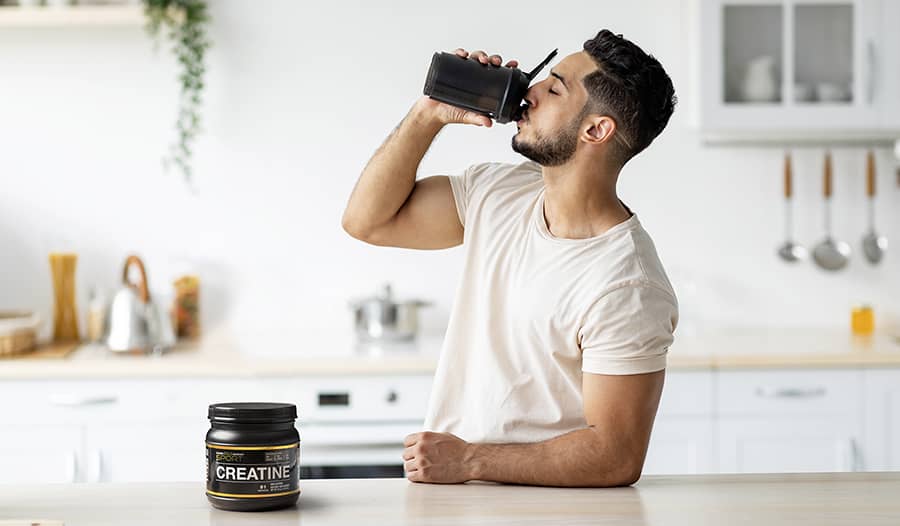
 Table of Contents